Phone
000 0000 000
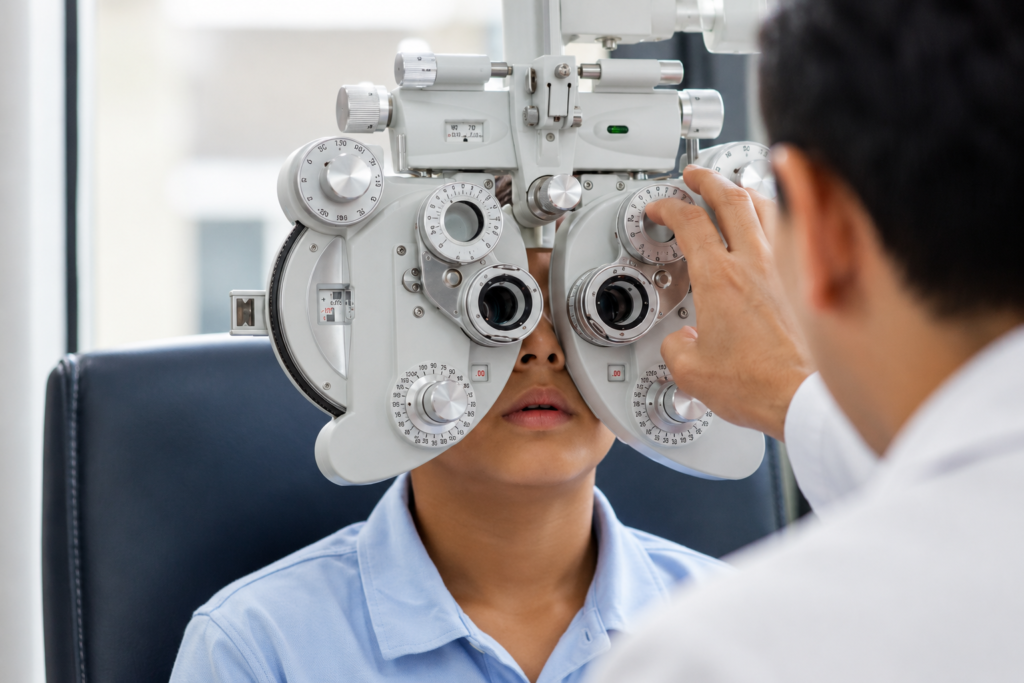
Your eyesight plays an important role in your everyday life—from working and driving to reading, using digital devices, and enjoying time with family and friends.
Vision insurance can help make routine eye care and eligible vision-related expenses more affordable by providing benefits for services and products covered under your plan.
At SecureWay Insurance, we help individuals and families understand vision coverage options and choose protection that fits their everyday needs.
Vision insurance is designed to help reduce the cost of certain eye-care services and vision products.
Depending on the plan, benefits may include:
Routine eye examinations
Prescription eyeglasses
Frames
Prescription lenses
Contact lenses
Lens enhancements
Certain discounts on vision services
Other eligible vision-related services
Benefits vary by plan, provider, location, and policy terms.
Regular eye examinations can do more than determine whether you need glasses or contacts.
Eye-care professionals may identify changes in your vision and detect signs of certain eye conditions.
Vision coverage can help make routine eye care more accessible while reducing some of the out-of-pocket costs associated with eligible services and corrective eyewear.
Many vision plans provide benefits toward routine eye examinations.
An eye exam can help determine whether your prescription has changed and may help identify potential vision concerns.
Depending on the plan, coverage may help with eligible:
Frames
Prescription lenses
Lens materials
Certain lens options
Replacement eyewear
Your plan may have specific allowances, frequency limits, or provider requirements.
If you prefer contact lenses instead of glasses, some vision plans provide benefits toward eligible contact lenses.
Coverage can depend on:
Contact lens type
Prescription
Frequency
Allowance
Plan design
Certain plans may provide benefits or discounts for lens features such as:
Anti-reflective coatings
Progressive lenses
Specialized lens materials
Other eligible enhancements
Individual vision coverage may be useful if you don’t have vision benefits through an employer or another group plan.
When comparing individual plans, consider:
Monthly premium
Eye-exam benefits
Frame allowance
Lens coverage
Contact-lens allowance
Provider network
Frequency of benefits
Waiting periods
Out-of-pocket costs
A plan with a low premium isn’t necessarily the best value if its benefits don’t match your needs.
Vision needs can differ from one family member to another.
Children may need regular vision examinations as they grow, while adults may require updated prescriptions, corrective lenses, or contact lenses.
Family vision coverage may help provide benefits for eligible members while making routine vision expenses easier to plan for.
When reviewing family coverage, consider:
Number of family members
Children’s vision needs
Existing prescriptions
Frequency of eye examinations
Eyeglasses or contact-lens needs
Preferred eye-care providers
Good vision can play an important role in a child’s learning and development.
Children may not always recognize or communicate that they are having difficulty seeing clearly.
Regular eye examinations can help identify vision problems that may otherwise go unnoticed.
Depending on the plan, vision insurance may provide benefits toward eligible children’s:
Eye examinations
Prescription glasses
Lenses
Frames
Contact lenses
Vision needs can change throughout adulthood.
You may notice:
Difficulty reading
Blurred vision
Eye fatigue
Difficulty seeing at night
Changes in prescription
Increased sensitivity to light
Regular eye care can help you stay informed about changes in your vision and maintain appropriate corrective eyewear.
Many people spend significant portions of their day looking at computers, phones, tablets, and other digital screens.
While vision insurance doesn’t necessarily cover every issue associated with screen use, having access to routine eye examinations can help you keep track of changes in your vision.
Your eye-care professional can also provide appropriate guidance based on your individual circumstances.
Vision insurance premiums vary depending on the plan and your circumstances.
Factors may include:
Individual or family coverage
Location
Plan design
Provider network
Benefits included
Frame allowance
Lens benefits
Contact-lens benefits
Frequency of covered services
When comparing plans, look at both the premium and the potential out-of-pocket expenses.
Vision insurance and health insurance serve different purposes.
Health insurance generally focuses on broader medical care, including illnesses, injuries, hospital services, and other healthcare needs.
Vision insurance generally focuses on routine vision care and eligible corrective eyewear.
Some medical eye conditions may be handled under a health insurance plan rather than a routine vision plan.
Understanding this distinction can help you avoid unexpected costs.
Vision plans don’t necessarily cover every eye-related expense.
Depending on the policy, exclusions or limitations may apply to:
Certain medical eye conditions
Elective procedures
Cosmetic treatments
Services outside the provider network
Expenses exceeding plan allowances
Certain specialty lenses
Replacement eyewear outside the plan’s benefit frequency
Other services specifically excluded by the plan
Always check the specific plan documents before receiving care.
Procedures such as LASIK may not be covered in the same way as routine eye examinations or prescription eyewear.
Some vision plans may provide discounts toward eligible procedures rather than paying the full cost.
If laser vision correction is important to you, check the plan’s specific benefits and participating providers.
The amount you pay to maintain your vision coverage.
A fixed amount you may pay for an eligible covered service.
An amount you may be required to pay before certain benefits begin, depending on the plan.
A specified amount the plan may contribute toward eligible eyewear or services.
The group of eye-care professionals and facilities that participate in the plan.
How often you can receive a particular covered service or benefit, such as an eye examination, frames, or lenses.
Think about how often you need eye examinations and whether you regularly purchase glasses or contacts.
If you already have an optometrist or ophthalmologist you prefer, check whether they participate in the plan’s network.
Look at the frame allowance, lens benefits, contact-lens benefits, and applicable frequency limitations.
Compare your annual premiums with expected copayments, allowances, and out-of-pocket expenses.
Pay attention to waiting periods, exclusions, provider restrictions, and benefit frequencies.
Your vision needs may change over time.
Consider reviewing your coverage if:
Your prescription changes
You begin wearing glasses
You switch to contact lenses
Your child needs corrective eyewear
You move to a different location
Your preferred eye doctor changes
Your employer coverage changes
Your family circumstances change
At SecureWay Insurance, we believe insurance should be easier to understand.
We help individuals and families consider important factors when reviewing vision coverage, including:
Eye-exam benefits
Eyeglass allowances
Contact-lens benefits
Provider networks
Copayments
Benefit frequency
Exclusions and limitations
Our goal is to help you understand your options so you can choose coverage with greater confidence.
Depending on the plan, vision insurance may provide benefits for routine eye examinations, prescription glasses, frames, contact lenses, and certain other vision-related services.
Many vision plans provide an allowance or other benefits toward eligible glasses, including frames and prescription lenses.
Some plans provide benefits toward eligible contact lenses. The amount and frequency of coverage vary.
Many vision plans include benefits for routine eye examinations, subject to the plan’s terms and frequency limitations.
Not necessarily. Health insurance and vision insurance are generally separate types of coverage, although some health plans may provide certain vision-related benefits.
Routine vision plans generally don’t cover the full cost of LASIK. Some may provide discounts or other benefits toward eligible procedures.
Yes. Vision plans can provide benefits for eligible children, including routine eye examinations and corrective eyewear.
That depends on the plan. Some plans have specific provider networks, so confirm whether your preferred eye-care professional participates before receiving services.
The frequency varies by plan. Some policies provide benefits for frames and lenses on a specific schedule, such as once every 12 or 24 months.
Taking care of your eyesight is an important part of looking after yourself and your family.
With the right vision coverage, eligible eye-care services and corrective eyewear can become easier to budget for, helping you stay on top of routine vision needs.
SecureWay Insurance can help you explore your vision insurance options and understand the benefits, costs, and limitations before making a decision.
Vision insurance benefits, premiums, provider networks, allowances, copayments, deductibles, waiting periods, exclusions, frequency limitations, and eligibility requirements vary by insurer, plan, location, and individual circumstances. This page is provided for general informational purposes only and does not guarantee coverage or benefits. The applicable policy or plan documents control the actual terms of coverage.

Keep your vision sharp and your eyes healthy. Our vision insurance plans cover routine eye exams, prescription glasses, and contact lenses, making eye care affordable for you and your family. Clear vision for a brighter future.