Phone
000 0000 000
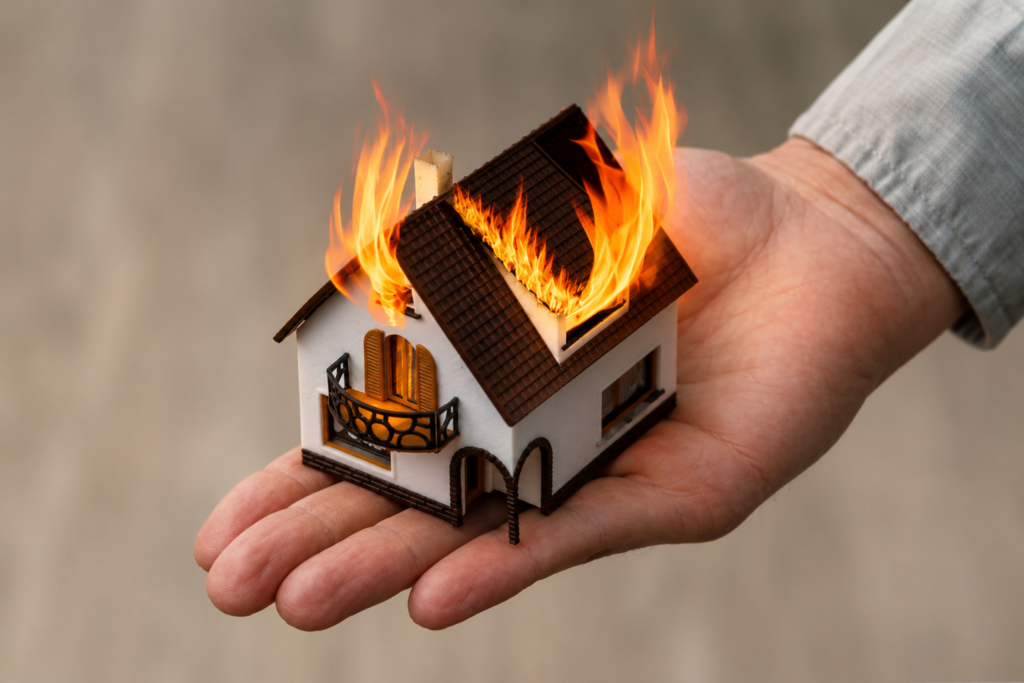
aProtect the Things That Make Your House a Home
Your home is more than walls and a roof. Your furniture, clothing, electronics, appliances, kitchen equipment, and other personal belongings can represent years of purchases and memories.
Personal Property Insurance is designed to help protect eligible belongings against certain covered losses, helping you recover financially when unexpected events damage or destroy your possessions.
At SecureWay Insurance, we help you understand your personal property protection and identify coverage considerations based on what you own and how you live.
Personal property insurance provides coverage for eligible belongings you own or use, subject to the terms of your policy.
It may protect items such as:
Furniture
Clothing
Electronics
Televisions
Computers
Kitchen appliances
Household equipment
Sporting goods
Certain jewelry
Personal items
Other eligible possessions
Personal property coverage is commonly included within homeowners or renters insurance, although the amount and scope of protection vary by policy.
It can be easy to underestimate the value of everything inside your home.
Imagine having to replace your:
Bedroom furniture
Clothes
Television
Laptop
Kitchen appliances
Children’s belongings
Shoes
Household equipment
all at once after a major covered loss.
Replacing these items individually may seem manageable, but replacing an entire household can become expensive very quickly.
Appropriate personal property coverage can provide an important layer of financial protection against certain covered losses.
Coverage may apply to eligible furniture such as:
Beds
Sofas
Dining tables
Chairs
Cabinets
Desks
Other household furnishings
Depending on the policy, eligible electronics may include:
Televisions
Computers
Laptops
Tablets
Cameras
Audio equipment
Other personal electronics
Special limits or exclusions may apply to certain items.
Your clothing and everyday belongings can add up to a significant amount.
Coverage may include eligible:
Clothing
Shoes
Bags
Personal accessories
Household linens
Other personal effects
Certain household appliances and equipment may also qualify for coverage depending on the policy.
Coverage depends on the specific policy and type of loss.
Depending on the policy, personal belongings may be covered against certain events such as:
Fire
Smoke
Theft
Vandalism
Certain water damage
Wind damage
Hail
Certain accidental losses
Other covered causes of loss
It’s important to remember that not every cause of damage is automatically covered.
You don’t have to own the building to have valuable belongings.
If you rent an apartment, house, or other residence, your landlord’s insurance generally isn’t designed to cover your personal possessions.
Renters insurance may provide personal property protection for eligible belongings you own.
This can be particularly important for:
Electronics
Furniture
Clothing
Appliances
Jewelry
Personal equipment
Other household possessions
Homeowners insurance commonly includes coverage for personal belongings in addition to coverage for the home’s physical structure.
This means your policy may provide separate protection for:
Your Home — The physical structure.
Your Belongings — Eligible personal property.
Your Liability — Certain claims involving injury or property damage for which you may be legally responsible.
Understanding each part of your policy can help you identify potential gaps in protection.
Some homeowners and renters policies may provide coverage for eligible personal property while it is temporarily away from your residence.
For example, certain belongings may be covered while you’re:
Traveling
At work
Visiting family
Staying somewhere temporarily
However, coverage limits and conditions can apply, particularly for valuable items.
Check your specific policy before assuming an item is covered outside your home.
Standard personal property coverage may have specific limits for certain categories of valuable possessions.
These can include:
Jewelry
Watches
Fine art
Collectibles
Coins
Certain electronics
Musical instruments
Other high-value property
If you own valuable items, ask whether they require scheduled personal property coverage or another specialized endorsement.
One of the most important things to understand is how your policy determines the value of damaged or stolen belongings.
Replacement-cost coverage generally aims to pay what it costs to replace eligible property with a similar item, subject to the policy’s terms and limits.
Actual cash value generally takes depreciation into consideration when determining the value of an eligible item.
The difference can significantly affect the amount you receive after a covered loss.
Estimating the value of your belongings can be difficult.
A useful approach is to create a home inventory.
Go room by room and record:
Furniture
Electronics
Clothing
Appliances
Jewelry
Tools
Sporting equipment
Children’s belongings
Collectibles
Other valuable possessions
Record approximate purchase prices and keep receipts for expensive items when possible.
A home inventory can make it easier to understand how much personal property coverage you may need.
For each valuable item, consider recording:
Item Name
What is it?
Purchase Date
When did you buy it?
Estimated Value
What would it cost to replace today?
Serial Number
Where applicable.
Receipt or Proof of Purchase
Keep documentation for valuable belongings when available.
Photographs
Take clear photographs and store them securely.
A digital copy stored somewhere other than your home can be especially useful after a major loss.
Personal property coverage isn’t unlimited.
Depending on the policy, exclusions or limitations may apply to:
Normal wear and tear
Maintenance issues
Certain flood losses
Certain earthquake losses
Intentional damage
Certain high-value items above policy limits
Certain business property
Property subject to specific exclusions
Losses exceeding applicable coverage limits
Additional coverage may be available for certain risks or valuable possessions.
Flooding is an important coverage consideration.
Standard homeowners and renters policies generally do not provide coverage for flood damage.
If flooding is a concern where you live, you may need separate flood insurance or another appropriate form of protection.
If you work from home or operate a business from your residence, don’t automatically assume that all business-related property is fully covered under your personal property limit.
Business equipment and inventory may have special limitations or exclusions.
If you own:
Computers used for business
Business inventory
Professional equipment
Tools
Business documents
Other commercial property
review your policy and discuss whether additional coverage is appropriate.
Insurance is only one part of protecting your possessions.
You can also reduce risk by:
Installing smoke detectors
Using security systems
Locking doors and windows
Keeping valuable items secured
Protecting electronics from power surges
Maintaining plumbing and electrical systems
Keeping important documents backed up
Maintaining an updated home inventory
If your belongings are damaged or stolen following an event that may be covered:
Take reasonable steps to prevent additional damage when it is safe to do so.
Take photographs and videos of affected belongings.
Record damaged, destroyed, or missing items.
Save receipts for reasonable temporary purchases or repairs related to the loss.
Report the loss promptly and follow the insurer’s claim instructions.
Your insurer may request receipts, photographs, ownership records, estimates, or other information.
Personal property insurance protects eligible belongings against certain covered losses, subject to the policy’s terms, limits, and exclusions.
Personal property coverage is commonly included in homeowners policies, but the amount and conditions vary.
Renters may benefit from personal property coverage because a landlord’s insurance generally doesn’t cover the renter’s personal belongings.
Many policies provide coverage for certain theft losses, subject to the applicable deductible, limits, exclusions, and policy conditions.
Jewelry may be covered, but special limits can apply. Valuable jewelry may require additional or scheduled coverage.
Some policies provide coverage for eligible personal property away from the residence, but specific limits and conditions can apply.
Creating a detailed home inventory and estimating the replacement cost of your belongings can help you determine whether your current coverage limit is appropriate.
Replacement cost generally focuses on the cost to replace eligible property, while actual cash value generally considers depreciation.
Your belongings may not seem valuable one item at a time, but together they represent a significant investment.
The right personal property protection can help you recover financially after certain covered losses and make it easier to replace the things you rely on every day.
SecureWay Insurance can help you understand your personal property coverage, identify potential limitations, and explore options for protecting the belongings that matter to you.
Personal property coverage, limits, deductibles, exclusions, valuation methods, eligibility requirements, premiums, and claim procedures vary by insurer, policy, location, and individual circumstances. This page is provided for general informational purposes only and does not guarantee coverage or benefits. The applicable insurance policy and endorsements control the actual terms of coverage.